Ledger Live Login: The Complete Guide to Accessing and Securing Your Crypto Wallet
Cryptocurrency ownership gives you full control over your funds, but with that comes full responsibility. Unlike banks or traditional financial systems, lost keys or compromised wallets cannot be recovered. Ledger Live, together with Ledger hardware wallets, provides a secure and user-friendly interface to manage, send, receive, and swap digital assets safely.
Understanding Ledger Live Login is critical for beginners and experienced users alike. This guide will cover everything—from setup and login to security, advanced features, troubleshooting, and long-term best practices.
What Is Ledger Live?
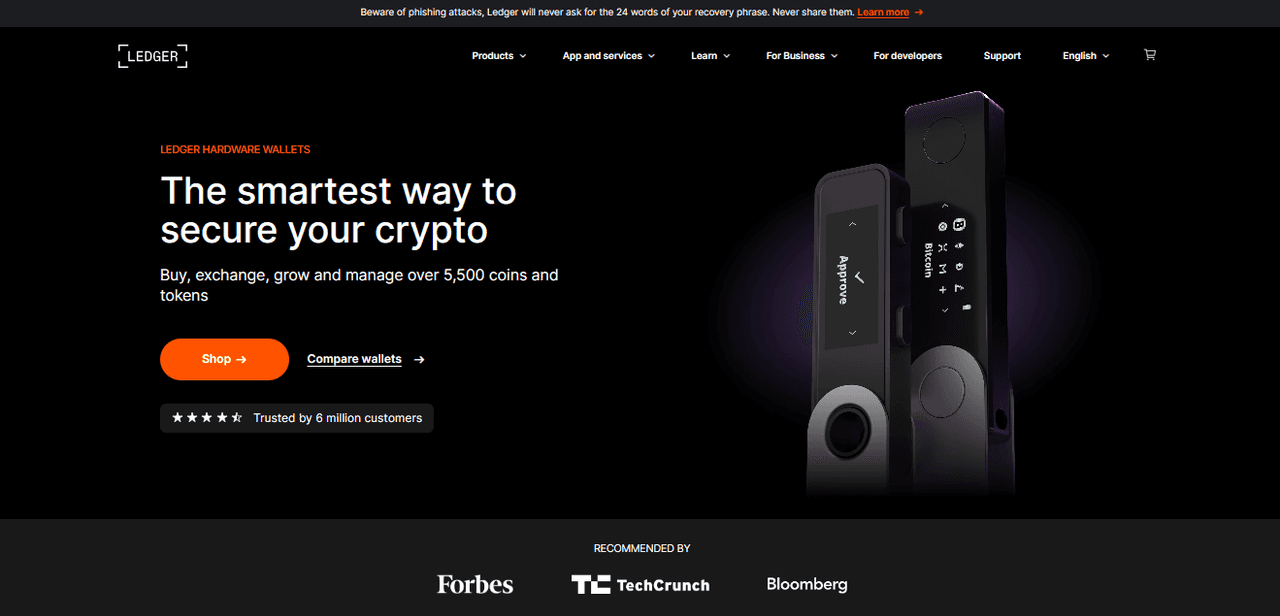
Ledger Live is the official software companion for Ledger hardware wallets, including Ledger Nano S Plus and Ledger Nano X. Its primary features include:
Real-time monitoring of cryptocurrency balances
Secure sending and receiving of digital assets
Swapping one cryptocurrency for another within the app
Connecting safely to DeFi platforms
Managing multiple wallets and accounts simultaneously
The cornerstone of Ledger Live’s security is that private keys never leave your hardware wallet, keeping funds safe even if your computer or mobile device is compromised.
Ledger Live Login Overview
Ledger Live Login is not like traditional online accounts. There are no usernames, passwords, or emails involved. Instead, access relies on:
Ledger hardware wallet – stores private keys offline
Device PIN – unlocks the wallet
Physical confirmation on device – every transaction requires approval
Ledger Live is available on desktop (Windows, macOS, Linux) and mobile (iOS and Android). Both platforms require the Ledger hardware device for authentication.
Step-by-Step Desktop Ledger Live Login
Step 1: Download Ledger Live
Visit Ledger.com/start
Download the version compatible with your operating system
Install following the on-screen prompts
Step 2: Connect Your Ledger Device
Connect your Ledger Nano S Plus or Nano X using the USB cable
Turn on the device
Step 3: Enter Your PIN
Unlock the hardware wallet by entering your PIN
Ledger Live will detect your device automatically
Step 4: Access Your Accounts
Ledger Live will display all cryptocurrency accounts
Add new accounts if needed
Check balances, transaction history, and portfolio performance
Step-by-Step Mobile Ledger Live Login
Step 1: Install Ledger Live
Download Ledger Live from the App Store (iOS) or Google Play Store (Android)
Use official Ledger links to avoid phishing
Step 2: Connect Your Ledger Device
Ledger Nano X: pair via Bluetooth
Ledger Nano S Plus: connect via USB OTG cable
Confirm pairing on the Ledger device
Step 3: Enter Your PIN
Unlock your device with the PIN
Ledger Live will sync accounts, balances, and transaction history
Adding Cryptocurrency Accounts
After login, you can:
Add supported cryptocurrency accounts (Bitcoin, Ethereum, Solana, etc.)
Manage multiple accounts simultaneously
Monitor portfolio performance in real time
Export transaction history for taxes or personal records
Ledger Live also allows account segmentation, isolating funds for trading, savings, or DeFi activities for better security and organization.
Advanced Ledger Live Features
1. Cryptocurrency Swaps
Swap crypto directly within Ledger Live
Private keys remain offline during swaps
Integrated with trusted exchange services
2. Custom Transaction Fees
Adjust fees based on blockchain congestion
Prioritize speed or minimize cost as needed
3. DeFi Integrations
Connect safely to decentralized finance platforms
Sign transactions offline with Ledger hardware
Interact with third-party wallets without exposing private keys
4. Multi-Account Management
Separate wallets for trading, savings, and DeFi
Track each account individually
Reduce risk by segmenting funds
Security Measures During Ledger Live Login
Ledger Live login incorporates multiple layers of security:
Offline Private Keys – Keys never leave your hardware wallet
PIN Authentication – Only the owner can access funds
Transaction Verification on Device – Every action requires physical approval
Firmware Verification – Ensures the device is authentic and updated
Encrypted Communication – Ledger Live communicates securely with your device
These protections make Ledger Live one of the most secure cryptocurrency wallet apps available.
Common Ledger Live Login Issues
1. Device Not Recognized
Check USB or Bluetooth connections
Ensure firmware is up to date
Restart Ledger Live
2. Incorrect PIN
After 3 wrong attempts, the device locks
Recovery phrase is required to restore the wallet if permanently locked
3. Ledger Live Not Syncing
Update Ledger Live to the latest version
Reconnect your Ledger device
Restart the app or your computer/mobile device
Ledger Live Login Without Your Device
Ledger Live cannot be accessed without your hardware wallet, as private keys remain offline. If your device is lost or damaged:
Restore your wallet on a new Ledger device using your 24-word recovery phrase
Never enter your recovery phrase into online platforms or untrusted apps
This ensures your funds remain secure even in case of device loss.
Privacy Benefits
Ledger Live and hardware wallets provide complete privacy:
No email or phone number required
No identity verification needed
Users retain full control over their cryptocurrency
This guarantees self-custody and decentralized management of your funds.
Best Practices for Ledger Live Login
Always download Ledger Live from Ledger.com/start
Never share your recovery phrase online
Avoid public or shared devices for access
Enable optional passphrase for extra security
Keep Ledger Live and firmware up to date
Long-Term Maintenance
Regularly update Ledger Live and device firmware
Store recovery phrases offline in secure, fireproof locations
Monitor portfolios and transaction history frequently
Segment accounts for savings, trading, or DeFi
Periodically verify device integrity through Ledger Live
Conclusion
Ledger Live Login is a secure, simple, and highly reliable gateway for managing cryptocurrency. Unlike traditional accounts, access depends on your Ledger hardware wallet and PIN, with physical verification required for transactions.
By following these official steps, users can safely track balances, send and receive crypto, swap assets, and interact with DeFi platforms—all while maintaining maximum security and privacy.